Business
Why iGaming Retention Now Depends on Connected Operations
Explore why iGaming retention now relies on connected operations, real-time CRM, governed AI, no-code automation, payments and player protection.
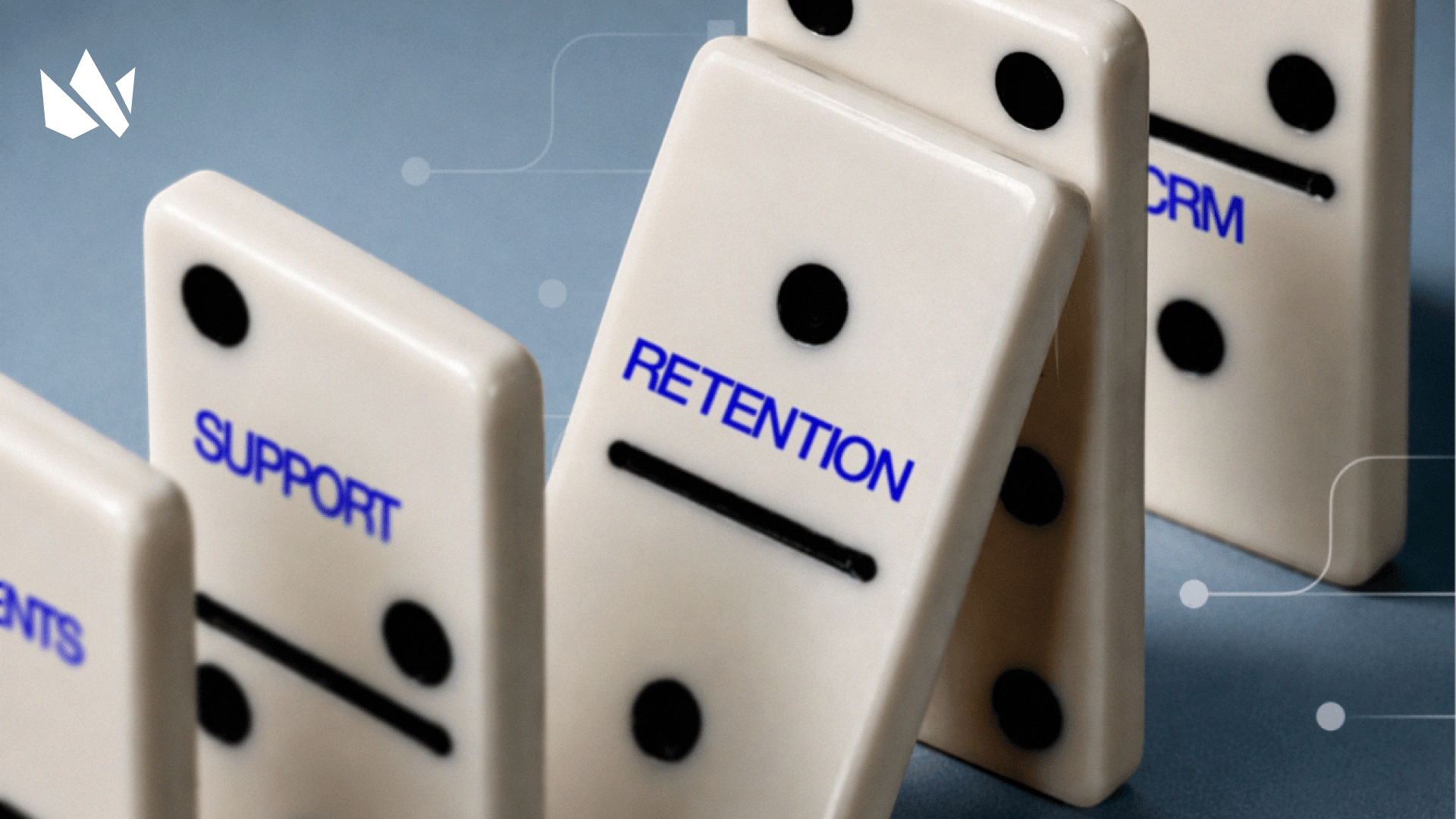
Retention has become a harder operational test for iGaming operators. Players expect timely, relevant interactions, while regulated markets place sharper limits on how bonuses and marketing can be used.
For CRM teams, the pressure is immediate. They need to respond to deposits, inactivity, bonus behavior, withdrawal friction and churn signals before those opportunities disappear. Yet many operators still rely on fragmented systems, delayed data and manual workflows built for planned execution rather than live decision-making.
That gap is changing what retention means. It is no longer only about sending the right offer. It is about recognizing the right moment, applying the right safeguards and protecting the wider player relationship.
CRM Teams Need Real-Time Judgment
CRM is moving away from fixed calendars and toward behavioral response.
Operators now need to interpret registration activity, first deposits, failed deposits, bonus completion, inactivity and early churn signals with greater precision.
Consider a player who completes KYC verification after a 48-hour delay, receives a generic bonus offer while waiting for approval, and then encounters another delay when requesting a withdrawal. In this scenario, the CRM campaign may perform as intended, but the overall player experience continues to deteriorate.
The commercial opportunity is clear: a timely message can keep a player engaged. The harder question is what kind of response is appropriate, and whether the player should be contacted at all.
In an interview with SBC News, Tommy Kearns, CEO of Xtremepush, argued that operators need to work with data in real time rather than overnight.
His point was direct:
in iGaming, if an operator is not real time, it has already “missed the moment.”
The commercial opportunity is clear: a timely message can keep a player engaged. But that creates a different benchmark for CRM performance. Strong teams will be able to separate situations that need an offer from those that need service support, risk review or no contact.
Personalization Can Improve Retention, but It Also Raises Risk
Personalization can help operators move beyond generic promotions. But gambling adds a constraint many other industries do not face: CRM teams must decide not only what may drive engagement, but whether a player should receive marketing in the first place.
The UK Gambling Commission’s LCCP 3.4.3 requires remote operators to monitor indicators of harm, including spend, patterns of spend, time spent gambling, gambling behavior, customer-led contact, use of gambling management tools and account indicators. It also requires operators to prevent marketing and new bonus offers where strong indicators of harm have been identified.
This turns personalization into a governance issue. A more targeted offer is only useful if the operator can show that consent, self-exclusion status, responsible gambling signals and bonus eligibility have been checked before the message is sent.
The challenge is not personalization itself. The risk is personalization without suppression logic, review points and clear limits.
AI Depends on the System Around It
AI is often presented as the answer to CRM inefficiency. In practice, it is only as useful as the operating environment around it.
Kearns’ argument moves the discussion away from AI as a content or journey tool. XpertOS is built around identity resolution, consent management, self-exclusion suppression, audit trails and real-time oversight. Those capabilities matter because CRM decisions in iGaming can carry regulatory, reputational and player protection consequences.
Kearns also made the practical point that AI “cannot do everything” because it cannot connect all the different datasets by itself. A model can suggest journeys or identify patterns. But those suggestions can only be trusted at scale when the model has access to governed data, channels, bonus logic, player histories and responsible gambling signals.
If the data is incomplete, AI may accelerate poor segmentation. If exclusion lists are weak, it may create compliance exposure. If bonus logic is detached from player history, automation can increase activity without improving player value.
While AI receives most of the attention, many operators face a more immediate challenge: the ability to execute CRM decisions without relying on technical teams.
No-Code Automation Shows the Operational Pain Point
The rise of no-code tools points to a practical problem inside many CRM teams: too much routine work still depends on technical support.
Creating player segments, configuring bonuses, assigning tags or launching retention workflows can require configuration files, technical account manager input or repetitive back-office actions. That slows execution and reduces the autonomy of teams closest to player behavior.
One example is SOFTSWISS Motion, which allows operators to manage segmentation and bonus workflows without additional technical involvement.
Motion is built around triggers, conditions and actions. A trigger may be a registration, deposit or scheduled event. A condition may define a segment, country, deposit amount or device. An action may issue a bonus, assign a tag, move a player to a group or send a notification.
SOFTSWISS says operators across more than 130 casino projects are already using Motion to automate bonus mechanics, player tagging and segmentation workflows across retention and reactivation activity.
The lesson is not that every operator needs a no-code layer. It is that CRM teams need more operational control, with approval rights, auditability and clear boundaries around who can create, change and activate player journeys.
Payments and Support Shape Loyalty
A delayed withdrawal, failed payment, unresolved support issue or poorly explained verification request can erase the impact of a well-timed offer. A player may respond once and still leave if the surrounding service feels slow, unclear or unreliable.
Research highlighted by Payment Expert cites Paysafe data showing that 78% of bettors consider payment experience important when choosing an operator.
Deposit success rates, withdrawal speed, local payment options, fraud checks and payout flexibility all shape how players evaluate a brand. In that context, payments are part of the retention experience.
This should change how operators read CRM performance. If reporting only measures response to offers, teams may miss the operational problems that explain why players do not return.
The better view is cross-functional. CRM should be read alongside payments, support, verification and responsible gambling data, because those are the moments where loyalty is either reinforced or lost.
What Operators Should Improve
Most operators do not need another standalone tool before they fix the way retention decisions are made.
A practical starting point is defining who can be contacted, who must be excluded and which situations require review. These principles should be built into CRM workflows, bonus logic and approval processes, not left only in compliance documents.
Operators should also monitor moments that frequently change player behavior, including:
- Rapid deposit increases.
- Sudden spending changes.
- Extended gambling sessions.
- Failed withdrawals.
- Verification delays.
- Repeated support complaints.
- Self-exclusion and responsible gambling interactions.
These signals should not sit in separate silos. A retention decision is stronger when the team can see whether the player is engaged, frustrated, blocked, at risk or waiting for an issue to be resolved.
Routine workflows can be automated, but sensitive journeys require ownership. Operators need to know who approved a journey, why a player entered it, what data was used and when human review is required.
The final shift is measurement. Churn, repeat deposits, complaint rates, withdrawal resolution times, bonus efficiency and responsible gambling interventions show whether CRM activity is building durable value or only generating short-term responses.
Conclusion
Retention is increasingly determined by operational reliability rather than promotional creativity. Players may respond to offers, but they stay when deposits work, withdrawals arrive on time, support resolves issues quickly and operators demonstrate responsible treatment throughout the customer journey.