Regulation
Poland Targets Gambling Promotion: Why Europe May Move From Blocking Sites to Policing Traffic
Poland’s gambling bill signals a wider European shift from blocking illegal casino domains to targeting affiliates, influencers, platforms, and traffic sources.
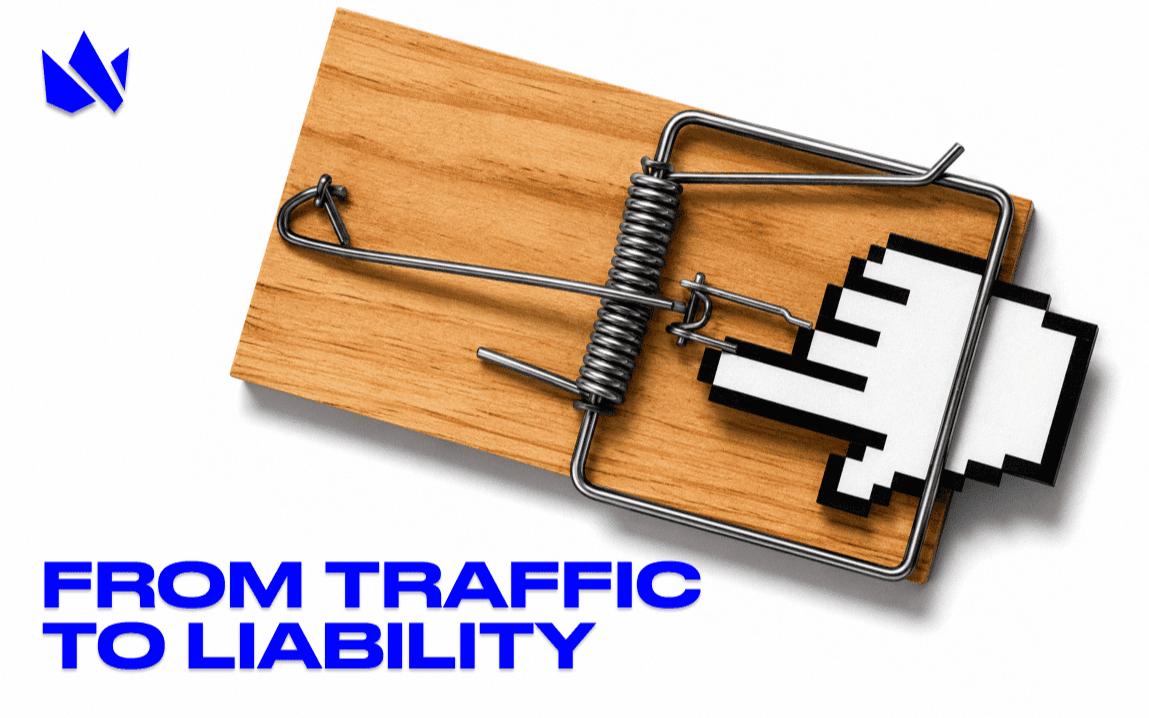
Poland’s gambling debate shows how enforcement is moving upstream. Regulators are looking past illegal casino domains and into the commercial routes that make those domains profitable.
For iGaming operators, affiliates, platforms, and compliance teams, the signal is practical. Europe does not need a single gambling rulebook to put more pressure on promotion. National regulators already have tools to make offshore acquisition harder to run, monetize, and defend.
Poland’s Current Model Already Reaches Promotion
Poland already has a tough enforcement base. Its gambling framework allows authorities to restrict access to illegal online gambling and disrupt parts of the surrounding commercial chain.
The Polish Gambling Act provides for a register of domains used to offer gambling services contrary to Polish law. The register can also capture domains used to advertise or promote illegal gambling, rather than only domains where gambling is directly offered. Once a domain is listed, internet service providers are expected to block access, while payment service providers face obligations around transactions connected to illegal gambling.
Promotion already carries risk under Polish fiscal-penal rules. Article 107 of the Polish Fiscal Penal Code addresses illegal organization or operation of gambling. Article 110a covers unlawful gambling advertising or promotion and provides for financial penalties.
The Polish proposal was filed in the Sejm on January 29, 2026, as print no. 2208. It would amend the Penal Code by adding a new Article 255b. In simple terms, the article targets public online sharing of audio or video content that shows certain prohibited acts, including illegal gambling-related conduct under Fiscal Penal Code Articles 107–111. The proposed penalty is imprisonment from three months to five years.
That distinction matters for publication. This is a Penal Code proposal connected to online dissemination of harmful content, with gambling offenses included in the covered category. It should not be described as a final gambling law or a standalone anti-affiliate statute unless the adopted text confirms that reading.
The Traffic Chain Is Becoming an Enforcement Target
Offshore operators rarely reach European players by chance. They rely on distribution partners and channels that turn attention into deposits: SEO affiliates, casino-review sites, streamer promo codes, influencer campaigns, bonus-code pages, mirror-domain lists, Telegram and Discord groups, paid social, ad networks, and search visibility.
Authorities that struggle to reach an offshore operator can still pressure local-facing parts of the user journey. Risk rises where content targets local users, carries a financial incentive, and sends players to an operator without local authorization.
For compliance teams, the core question is straightforward: who sends the traffic, how is it generated, and what claims are made before the player reaches the operator?
Why Offshore CPA and RevShare Models Become Less Stable
CPA, hybrid, and RevShare models reward partners for delivering players. That structure becomes fragile when regulators treat acquisition as part of the illegal supply chain.
The immediate commercial risks may arrive before prosecution: blocked domains, search delisting, platform takedowns, frozen payments, terminated affiliate accounts, lost commissions, or lower traffic quality after a platform policy change.
Affiliate governance therefore belongs in the risk-control function, alongside licensing, payments, AML, and brand protection. The UK Gambling Commission’s illegal-market disruption work reflects this approach, with actions involving affiliates, advertisers, search engines, social platforms, payment disruption, registrars, and hosts.
If acquisition economics depend on channels the compliance team cannot see, the business is carrying hidden regulatory risk.
Europe’s Likely Route
European gambling law remains fragmented, so Poland’s exact penalty model is unlikely to become a regional template. The pressure can spread through other routes.
Advertising and influencer rules are the first route. France has already regulated commercial influence directly, creating a legal basis for tighter control over paid promotion on social platforms.
Licensing conditions are the second route. Regulators can require licensed operators to monitor affiliates, approve creatives, prevent unauthorized market targeting, and ensure that B2B products do not support unlicensed operators.
The Digital Services Act gives a third route. It does not decide whether a gambling offer is legal in a specific country. It does create obligations around illegal-content reporting, ad transparency, minor protection, and systemic-risk mitigation for very large online platforms and search engines.
Infrastructure pressure gives regulators another path. The UK Gambling Commission has reported disruption activity involving affiliate and advertiser removals, registrar and host action, payment disruption, and search-engine removals.
Minors and responsible gambling will sharpen the case for intervention. Content that combines gambling, livestreaming, influencers, youth-facing platforms, or self-exclusion circumvention is likely to draw faster scrutiny than ordinary brand advertising.
Platforms May Tighten First
Large platforms have their own reasons to reduce gambling exposure: reputational risk, moderation costs, advertiser pressure, and legal duties around illegal content and minors.
YouTube has already tightened its treatment of online gambling content, including restrictions around links, logos, mentions, and content directing users to non-approved gambling services. Twitch’s earlier restrictions on certain gambling streams showed the same commercial instinct: limit the riskiest formats before they become a regulatory problem.
Casino streams, sponsored clips, affiliate links, referral codes, and bonus comparisons can work as acquisition infrastructure. Expect platforms to keep tightening links, promo codes, monetization, geotargeting, and youth-facing gambling content.
Turning Partner Governance Into a Control Framework
The right response is to professionalize partner governance.
Operators should map which partners send traffic from sensitive European markets, how that traffic is generated, and which incentives are used: CPA, RevShare, hybrid deals, flat fees, influencer payments, or paid media.
Affiliate agreements should include jurisdiction-specific rules, prohibited traffic sources, content standards, approval rights for creatives, audit rights, disclosure obligations, and termination rights for unauthorized market targeting. Contracts should also prohibit VPN messaging, mirror-domain promotion, circumvention content, and claims implying local legality where no authorization exists.
Approved creative libraries should become standard, especially for influencer and streamer campaigns where off-script claims can create exposure quickly. Traffic-source audits should focus on risk indicators: sudden spikes from blocked markets, high conversion from social referrals, brand-plus-bonus keywords, unexplained direct traffic, mirror-domain links, and younger-audience platforms.
Operators should also review black-market exposure from the supplier side. If games, payment methods, wallet tools, tracking links, or brand assets appear in unlicensed funnels, the issue may affect licensing, payments, AML, and B2B partner management.
Finally, leadership should align incentives. A growth team rewarded only on deposits may tolerate traffic that compliance would reject. Mature operators need escalation rules that allow compliance to stop a campaign before it becomes a regulator, platform, or payment-provider problem.
Takeaway
Poland’s proposal turns affiliate traffic into a board-level control issue. The exposure no longer sits only at the edge of the business, with a publisher, streamer, or media buyer. It sits inside the operator’s acquisition model.
The next compliance test is evidence. Operators will need to show that every paid or incentivized path to the product can withstand legal, payment, platform, and reputational scrutiny in the market concerned.
Affiliate marketing is not dead. Uncontrolled acquisition is becoming a liability.